Serving Apple Valley, CA and surrounding areas. (442) 220-8629
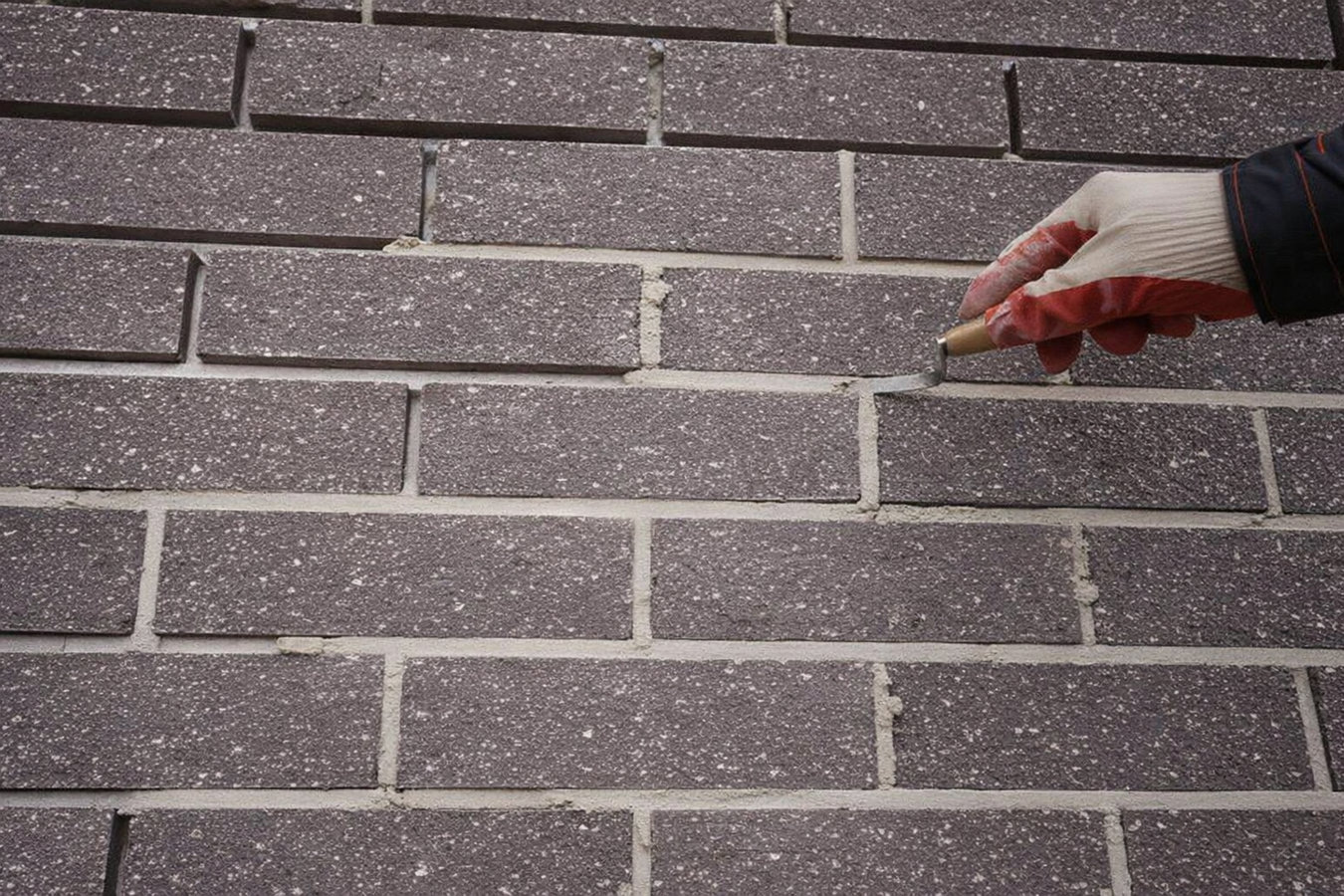
Crumbling mortar joints let water, wind, and pests into your brick walls. We remove the damaged mortar and pack fresh, color-matched material that holds up to Apple Valley heat, temperature swings, and wind-driven sand.
Brick pointing in Apple Valley is the process of removing old, crumbling mortar from between your bricks and replacing it with fresh material - a focused repair job that typically takes one to three days for a single wall or chimney, and that restores the sealed surface your brickwork needs to keep water out.
Mortar is softer than brick by design - it acts as a buffer that absorbs stress so the bricks themselves do not crack. In Apple Valley's High Desert climate, sustained heat above 100 degrees Fahrenheit, wide day-to-night temperature swings, and wind-driven sand wear mortar joints down faster than in milder climates. Homes built in the 1980s and 1990s - a large share of Apple Valley's housing stock - are now in the window when original mortar joints typically need their first full tuckpointing. If you have existing brick damage beyond the joints, our masonry restoration service can address spalled bricks and structural repairs in the same visit.
Catching failing mortar early - when joints are just recessed or crumbly - is far less expensive than waiting until bricks are damaged or water has worked its way into the wall structure. We provide a written estimate after walking the wall in person, so you know the full scope before anyone picks up a tool.
Stand a few feet back from your brick wall and look at the lines between the bricks. If those lines look sunken, hollow, or pulled away from the brick edges, the mortar has shrunk or eroded. In Apple Valley's heat and wind, this kind of surface wear is common on walls that have been in place for 15 or more years - and it is the clearest sign that repointing is due.
Gently press a finger or a key against a mortar joint. If it feels soft, powdery, or flakes away easily, the mortar has lost its strength. Healthy mortar should feel hard - almost like the brick itself. Soft or crumbly joints mean water and air can get in, and the problem will get worse with each season of High Desert heat and cold.
White staining on brick - called efflorescence - happens when water moves through the wall and carries dissolved salts to the surface. In Apple Valley, this most often appears after winter rains or the late-summer monsoon season. It is a sign that water is getting into the wall somewhere, and failing mortar joints are one of the most common entry points.
If you notice cool air coming through a brick wall or around a fireplace on a windy day, open mortar joints may be the cause. This is more noticeable in Apple Valley during Santa Ana wind events, when pressure differences push air through even small gaps. It is worth having a mason look at the exterior joints if you are feeling drafts without an obvious source.
Every brick pointing job starts with a wall walkthrough where we check how deep the mortar damage goes, whether any bricks are loose or cracked, and what the existing mortar color and texture look like. We take that information back and mix test batches to match your existing joints as closely as possible before starting the main work - because a repair that blends in looks far better than one that stands out. Old mortar is cut or chiseled out to a consistent depth, then fresh mortar is packed carefully and smoothed to match the original joint profile. In Apple Valley's heat, we schedule summer work during cooler morning hours and may mist fresh joints during the curing period to prevent the mortar from drying too fast. If your project also involves structural brick damage beyond the joints, our foundation repair and masonry restoration services can be scoped together so you are not paying for two separate site visits.
We clean mortar smears off the brick face at the end of each workday and remove all debris before we leave. You receive a written estimate before any work begins, and if something unexpected turns up once the mortar is cut out, we stop and talk to you before it changes the cost.
Chimneys take more abuse than any other brick structure because they are fully exposed on all sides - suited to homeowners whose chimney mortar looks rough, pitted, or uneven after years of High Desert temperature cycling.
Mortar joint restoration on home exteriors, boundary walls, and garden walls - suited to Apple Valley homes built in the 1980s and 1990s whose original mortar joints are now at or past the typical service window.
Targeted repair of isolated sections where mortar has failed while the surrounding joints are still sound - a cost-effective option when the damage is concentrated in one area rather than spread across the full wall.
Comprehensive mortar replacement across the entire wall face - suited to older structures where widespread joint failure makes targeted spot repair impractical or more expensive than treating the full surface.
Apple Valley's combination of Mojave Desert heat and genuine winter cold creates a cycle that is unusually hard on mortar joints. Summer afternoons can exceed 100 degrees Fahrenheit, and winter nights regularly drop below freezing - a swing of 40 degrees or more between a summer afternoon and a winter night. That repeated expansion and contraction works on mortar joints the way bending a paperclip back and forth works on metal: eventually something gives. Add the Santa Ana winds that carry fine sand and grit through the Victor Valley and you have three separate forces - heat, freeze-thaw cycles, and wind abrasion - all wearing on your mortar at once. South- and west-facing walls take the worst of it because they see the most direct sun and prevailing wind.
A large share of Apple Valley's housing stock dates from the 1980s and 1990s, which means original mortar joints on many homes are now 30 to 40 years old - right in the range when full repointing is typically due. We serve homeowners across the High Desert, including Victorville and Hesperia, where the same climate conditions and housing age patterns apply. If your home falls in this window and has not had a mortar inspection, it is worth scheduling one before the next heat season or rain event.
When you call, we will ask a few basic questions - what kind of structure it is, roughly how much wall is involved, and whether you have noticed any specific damage. We reply within one business day and schedule a time to come look at the wall in person.
The mason walks the wall and checks how deep the damage goes, whether any bricks are loose or cracked, and whether the existing mortar color can be matched. The assessment typically takes 20 to 40 minutes. You receive a written, itemized estimate - not a single number.
The crew cuts or chisels out old mortar to a consistent depth of roughly three-quarters of an inch. Then they mix and test mortar batches to match your existing joints as closely as possible before starting the main packing work.
At the end of the job, mortar smears are cleaned off the brick face and all debris is removed. We walk through the completed work with you and tell you what to avoid during curing - including keeping the new joints dry for at least 24 to 48 hours. In Apple Valley's dry heat, we may also recommend lightly misting the joints once or twice a day for the first few days.
Written quote after a wall walkthrough. No pressure, no obligation. We reply within one business day.
(442) 220-8629Generic pre-mixed mortar is formulated for average conditions, not Apple Valley summers. We select and mix mortar that cures correctly in low-humidity heat and holds up through the freeze-thaw cycles that happen every winter at High Desert elevation - so the repair lasts rather than cracking within the first year.
We test mortar batches against your existing joints before starting the main work. This takes a little extra time, but the result is a repair that blends in rather than showing as a patchy band across your wall. A contractor who skips color matching is cutting a corner you will see every day.
Most homes in this age range have brick veneer and block construction whose original mortar is now 30 to 40 years old. We see this regularly and know what deterioration patterns to expect - which means faster, more accurate assessments and fewer surprises once the work starts.
You receive an itemized written estimate after the wall walkthrough. If something unexpected shows up once the old mortar is cut out - deeper damage, loose bricks - we stop and talk to you before changing the scope. No additions to the invoice without your approval.
Brick pointing in the High Desert is not the same job it is in San Diego or Los Angeles. The climate here accelerates mortar wear in ways that require different materials, different curing practices, and a contractor who has done this work in this specific environment. That local experience is what keeps a repair holding for 20 years instead of 5.
For contractor licensing verification in California, visit the California Contractors State License Board. For industry guidance on repointing practices, the Brick Industry Association publishes technical resources for homeowners and contractors.
Structural assessment and repair for foundations showing cracks, settling, or movement - the right next step when brick or masonry damage points to issues below grade.
Learn MoreComprehensive brick and stone restoration covering spalled bricks, structural repairs, and surface refinishing when damage goes beyond mortar joint replacement alone.
Learn MoreSpring and fall slots fill fast in Apple Valley - reach out now and we will get a wall walkthrough on the calendar within one business day.