Serving Apple Valley, CA and surrounding areas. (442) 220-8629
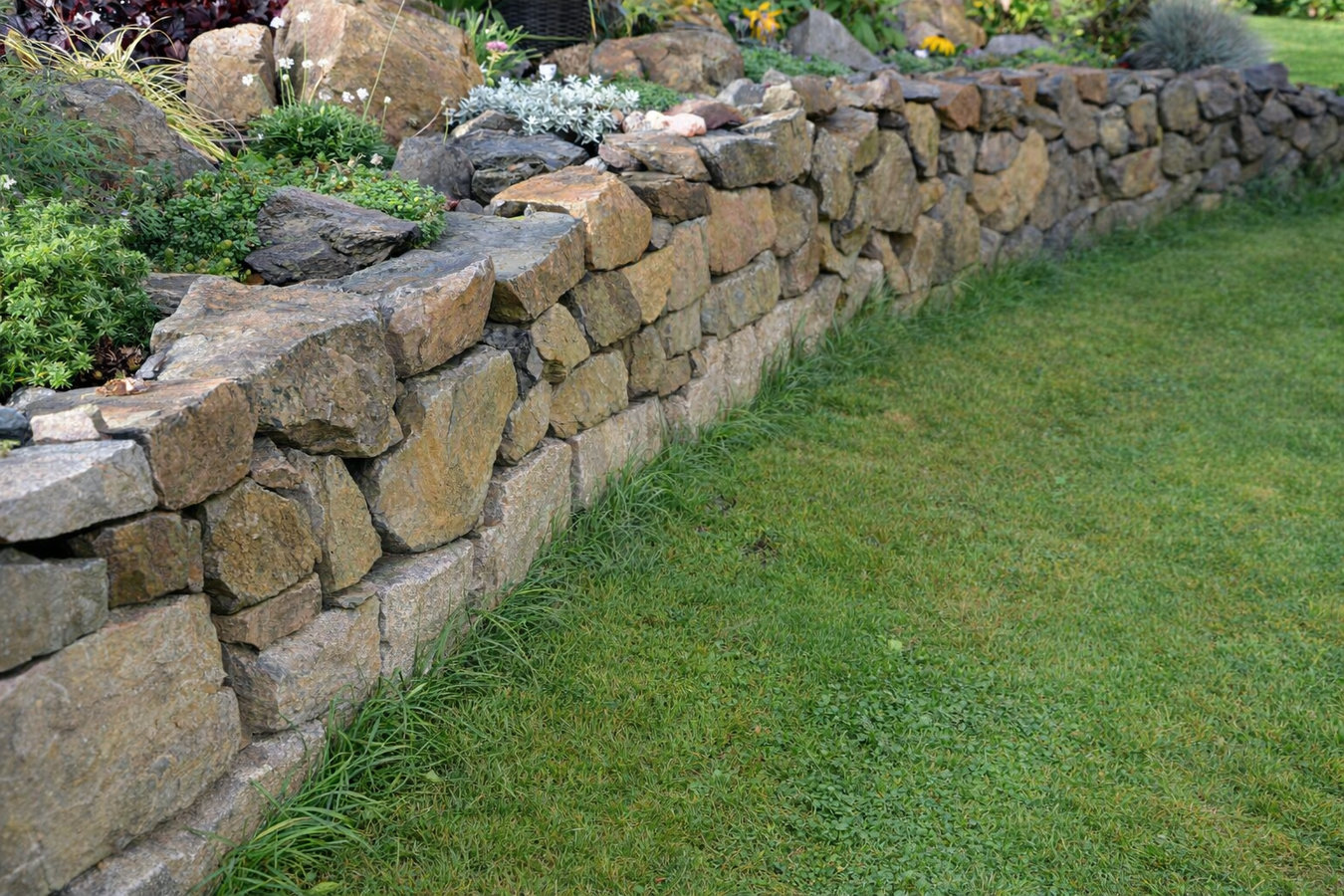
Crumbling mortar, shifting walls, and stone features that look worn before their time are common in the High Desert. We build and repair stone masonry using base preparation and materials that stand up to Apple Valley heat, UV exposure, and expansive desert soils.
Stone masonry in Apple Valley covers building or repairing structures using natural or manufactured stone, and most residential jobs - a garden wall, a stone veneer refresh, or a new entry pillar - take one to three days for repairs and one to three weeks for larger new-construction projects.
Most stone work that fails in the High Desert fails for the same reason: the base was not prepared for desert soil. Apple Valley sits in an area with expansive soils that swell when wet and shrink when dry, putting constant stress on anything sitting on or in the ground. A mason who accounts for this digs deeper, uses a more stable compacted base, and selects mortar suited to the temperature swings that come with 2,900-foot Mojave Desert elevation. If you are considering a stone veneer alongside your stone masonry project, our stone veneer installation service uses the same desert-adapted techniques and can often be scoped together in one estimate visit.
We provide a written, itemized estimate after seeing the site - not a ballpark over the phone. If a permit is required with the Town of Apple Valley, we handle the application so you do not need to navigate the building department yourself.
Walk up close to any stone wall, pillar, or veneer and look at the lines between the stones. If the mortar looks sandy, crumbly, or has gaps where it has fallen out, it is breaking down. In Apple Valley's desert climate, intense heat and UV radiation wear mortar down faster than in coastal regions - and once it starts going, water and pests can get behind the stones.
A retaining wall, garden wall, or decorative feature that looks like it is leaning, bulging, or has stones that have moved is a sign the base has shifted. In Apple Valley, this often traces to the expansive desert soils that swell and shrink with moisture changes. A wall that is starting to lean will only get worse, and a collapsed wall is both a safety hazard and a much more expensive repair.
White, chalky residue on stone is called efflorescence - mineral salts pushed to the surface by moisture moving through the masonry. It is not just cosmetic: it is a sign that water is getting into the structure somewhere. In the desert, this often appears after the intense rain events Apple Valley experiences during late-summer monsoon season.
Small hairline cracks can be normal settling, but cracks that are widening, running diagonally, or appearing in multiple places at once are worth a professional look. Apple Valley's soil movement - ground expanding and contracting with temperature and moisture - stresses masonry structures over time. Catching cracks early means a repair; ignoring them can mean a full rebuild.
Every stone masonry project starts with a site visit where we assess existing conditions, look at the soil and base, and measure what the job actually involves. For new construction, we design the footing depth based on what we find and handle the permit application with the Town of Apple Valley when one is required. Stone is laid course by course with constant checks for level and plumb - a step that cannot be rushed if you want the finished work to last in this climate. For homeowners who want the look of stone without the weight of a full structural wall, our stone veneer installation service covers adhered and anchored veneer systems for home exteriors and interior accent walls. When a project also involves existing mortar joint repair, we incorporate brick pointing work into the same scope so you are not paying for two separate mobilizations.
We handle permits, inspections, material ordering, and cleanup. You get a written estimate after the site visit, and if anything unexpected turns up once work has started, we stop and talk to you before it changes the cost.
Freestanding and load-bearing structures using quarried stone - suited to homeowners who want the genuine variation in color and texture that only natural stone provides.
Manufactured or natural stone adhered to home exteriors, interior feature walls, or outdoor fireplaces - a lighter-weight option that delivers the stone look at a lower installed cost.
Terraced walls built to hold back soil on sloped lots - engineered with proper footing depth and drainage to handle the shifting desert soils common across Apple Valley.
Mortar joint restoration, stone resetting, and crack repair for existing stone structures - suited to homeowners who want to extend the life of their current work rather than start over.
Apple Valley sits at nearly 2,900 feet in the Mojave Desert, and that elevation changes everything for masonry work. Summer temperatures regularly exceed 100 degrees Fahrenheit, UV radiation is intense year-round, and the desert soils beneath most properties contain clay that swells when it gets wet and shrinks when it dries. That constant ground movement is the main reason stone walls and veneers fail here before their time. A mason who works regularly in this area knows to prepare a deeper, more stable base and to select mortar types that hold up to the heat-cold swing rather than generic mixes designed for milder climates. Stone is also one of the few exterior materials that genuinely benefits homeowners in Apple Valley's elevated wildfire risk zone - it is non-combustible, which matters when choosing materials for outdoor fireplaces, entry walls, and structures near the home.
We serve homeowners across the Victor Valley, including Victorville and Hesperia, where the soil and climate conditions are similar to Apple Valley. If your neighborhood has an HOA, we help you understand what the architectural guidelines require before finalizing a design - so the finished work passes review the first time.
When you reach out, we will ask you to describe what you are seeing or what you want built - and may ask for a few photos before the visit. You do not need to know the right words. We reply within one business day.
We visit your property to look at existing conditions, check the soil and base, and measure the area. In Apple Valley, we pay particular attention to ground conditions because desert soil affects how a structure needs to be built. You receive a written, itemized estimate - not a single total number.
If a permit is required from the Town of Apple Valley, we handle the application. Permit timelines vary, so we build that into the schedule upfront. Once permits are in hand and materials are ordered, you get a confirmed start date.
The crew sets up, preps the base, and lays stone with constant level and plumb checks. When the work is complete, we clean up and walk through the finished project with you. We tell you what to avoid during curing - typically no water or pressure on fresh mortar for at least 24 to 48 hours.
Written quote, no pressure. We reply within one business day.
(442) 220-8629Apple Valley's expansive desert soils swell and shrink with moisture changes, and that movement is the main reason stone walls shift or lean over time. We design footing depth and compacted base thickness around what we actually find on your property - not a one-size-fits-all spec.
We manage the permit process with the Town of Apple Valley on your behalf for projects that require it. You get documentation that the work passed inspection - which protects you when you sell the home or need to make an insurance claim.
A significant share of Apple Valley neighborhoods have HOA architectural guidelines that cover wall height, material color, and style. We are familiar with common requirements in this area and help you design something that will pass review before we finalize anything - so you are not caught off guard after the work is done.
You receive an itemized written estimate after the site visit. If something unexpected comes up once the crew is on-site, we stop and talk to you before it changes the scope or cost. No surprise invoices.
Stone masonry in the High Desert requires more than general masonry experience - it requires knowing how this specific soil, climate, and permit environment affects every phase of the job. That local knowledge is what separates work that looks good on day one from work that still looks good ten years from now.
For more on California contractor licensing requirements, see the California Contractors State License Board. For industry standards on stone installation, the Natural Stone Institute and the Mason Contractors Association of America publish guidance for homeowners and professionals.
Mortar joint repair for existing brick and stone structures - removing deteriorated mortar and packing fresh material to restore the wall without a full rebuild.
Learn MoreManufactured or natural stone adhered to home exteriors and interior accent walls - a lighter installation that delivers the stone look at a lower cost than full structural stone.
Learn MoreSpring booking slots fill fast in Apple Valley - reach out now and we will schedule your site visit within one business day.