Serving Apple Valley, CA and surrounding areas. (442) 220-8629
Leaning walls, crumbling mortar, and unclear property lines are fixable problems. We build brick walls on proper concrete footings, using mortar and methods that hold up through Apple Valley heat, cold winters, and shifting desert soil.
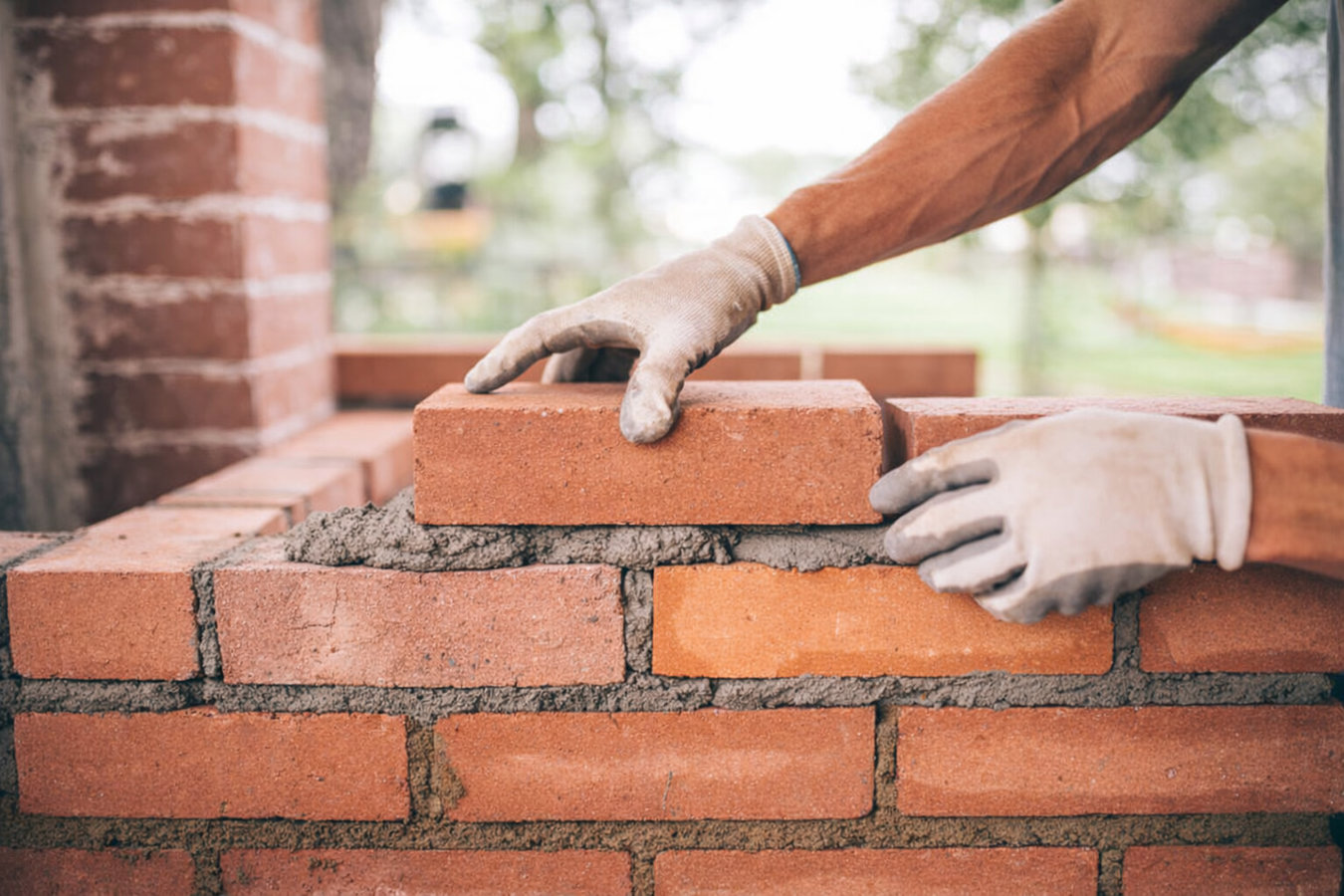
Brick wall installation in Apple Valley means laying individual bricks course by course in mortar on top of a poured concrete footing buried below the surface - a straightforward 20-to-30-foot garden or boundary wall typically takes a crew of two experienced masons two to four days of active construction once the footing has cured.
Most brick walls that fail in the High Desert trace back to one of two problems: a footing that was too shallow for the clay-heavy desert soil, or mortar that dried too fast in low-humidity summer heat and never bonded properly. Both are preventable when the contractor knows what they are dealing with. Apple Valley's soil swells slightly when it gets wet and shrinks as it dries - that repeated movement is exactly what shifts and cracks a wall that was not anchored deeply enough. If you are also considering related stonework, our stone masonry work uses the same footing and curing principles and can be combined with a brick wall project on the same visit.
We handle the permit application with the Town of Apple Valley when required - which is most walls above a certain height - and schedule inspections on your behalf. You get a written estimate after we see the site, not a ballpark over the phone.
If you can see a wall tilting away from vertical, or if cracks run diagonally through the bricks rather than just along the mortar lines, the structure has likely shifted at the base. In Apple Valley, this often happens when the original footing was not deep enough to handle the soil movement common in desert clay. A leaning wall is a safety concern - it can fall - so this is worth getting looked at sooner rather than later.
Run your finger along the joints between bricks: if the mortar feels soft, sandy, or flakes away easily, it has deteriorated past the point where simple patching will hold. Apple Valley's intense summer heat and freeze-thaw cycles in winter accelerate this kind of wear. Left alone, deteriorating mortar lets water into the wall, which speeds up the damage and can eventually destabilize the whole structure.
Those white streaks are called efflorescence - mineral salts that water carries to the surface as it moves through masonry. In Apple Valley, where irrigation water tends to be hard and mineral-rich, this is a common sign that moisture is getting into the wall somewhere it should not be. It does not always mean the wall is failing, but it is worth having a mason look at the source before the problem gets worse.
If you want to define your property line, create a shaded outdoor space, block wind and dust, or simply add a permanent boundary feature, a new brick wall is a low-maintenance solution that outlasts wood fencing in this climate. Many Apple Valley homeowners also add walls after finishing a landscaping project or when preparing a property for sale.
Every brick wall project starts with a site visit where we look at the ground, measure the proposed wall line, and check for anything that might affect the job - underground utilities, HOA setback requirements, or proximity to the public right-of-way. We then design the footing depth based on what we find in the soil and submit the permit application if one is required before we schedule any work. The crew digs the footing trench, pours concrete and lets it cure, and then lays bricks course by course - checking level and plumb constantly as the wall goes up. Mortar color and brick style are selected during the estimate visit so there are no surprises when the wall goes up. For homeowners who need mortar joint repairs on an existing wall rather than a full rebuild, our brick repair service handles that work separately at a lower cost.
We manage the full process - permits, inspections, materials, and cleanup - so you do not need to coordinate anything beyond the initial estimate visit. After the wall is up and the inspector has signed off, the mortar needs about 28 days to reach full strength. We tell you that before we leave so you know when it is safe to attach anything or put pressure on the wall.
Low decorative walls used to frame yard features, border raised planters, or define outdoor spaces - suited to homeowners who want a clean, permanent look without a full privacy structure.
Full-height walls built along a property line to define the lot and reduce wind, dust, and noise - a practical long-term investment for Apple Valley homeowners who want more than a wood fence can offer.
Taller walls that create a private outdoor zone - useful for backyards, pool areas, or side yards where screening from neighbors or the street is the goal.
Full demo and replacement of an existing wall that has shifted, leaned, or been damaged beyond the point where repair is cost-effective - done with a proper footing to prevent the same problem from recurring.
Apple Valley sits at roughly 2,900 feet in the Mojave Desert, where summer highs regularly exceed 100 degrees Fahrenheit and winter nights can drop below freezing. That temperature range - combined with the very low humidity the High Desert is known for - creates two specific problems for brick wall construction. First, mortar can lose moisture too fast in summer heat, which weakens the bond and leads to fine cracks appearing within the first year. Second, the freeze-thaw cycle that happens every winter causes water trapped in the wall to expand and contract, slowly opening up any joints that were not fully cured. Experienced masons in this area mist fresh mortar, schedule summer work during cooler morning hours, and sometimes cover new work with burlap to slow the curing process - not as extras, but as standard practice. Homeowners in Adelanto face the same desert conditions and know that a wall built by someone without local experience rarely holds up through the first few seasons.
The soil underneath a wall matters just as much as the mortar. Apple Valley's soil contains clay minerals that swell when wet and shrink when dry, and that repeated movement puts stress on any footing that was not dug deep enough or reinforced with rebar. The Town of Apple Valley also has its own Building and Safety Division that handles permits and inspections for masonry walls - a process separate from San Bernardino County - and many neighborhoods are HOA-governed with their own rules about wall height, color, and materials. We know the local permit office, the common HOA requirements in this area, and the soil conditions in different parts of town. Homeowners throughout Victorville deal with the same permit and soil challenges, and our crew handles projects across the Victor Valley.
We respond within one business day. We ask a few questions about the wall's purpose, location, and approximate length, then schedule a free on-site visit. Photos help, but they cannot replace a walk-through when it comes to assessing soil conditions and HOA setbacks.
We measure the wall line, assess the soil and drainage, check permit requirements, and walk you through brick and mortar options with real samples. You receive a written estimate covering materials, labor, permit fees, and timeline before you sign anything.
If a permit is required, we submit the application to the Town of Apple Valley on your behalf - approval typically takes one to three weeks. Once approved, the crew digs the footing trench, pours concrete, and lets it cure for 24 to 48 hours before any bricks go down. In Apple Valley's heat, we mist the fresh concrete to prevent it from curing too fast.
With the footing ready, bricks go up course by course with constant level and plumb checks. After completion, the inspector visits - your contractor handles scheduling - and signs off on the work. The crew removes all materials and debris, and you get a reminder that the mortar needs 28 days to reach full strength.
No obligation. We visit your Apple Valley property, assess the site, and give you a clear written quote before any work begins.
(442) 220-8629Apple Valley's clay-heavy soil shifts with moisture changes, and a shallow footing is the most common reason brick walls fail prematurely in this area. We assess the soil on every job and dig to the depth that the local conditions actually require - not the minimum that gets a permit approved. That decision is what separates a wall that stands for decades from one that starts leaning within a few years.
Low humidity and triple-digit summer temperatures pull moisture out of fresh mortar faster than in almost any other California climate. We schedule brick laying during cooler morning hours in summer, mist new work during the curing period, and adjust our mortar mix to the conditions on the day we build. These are not extras - they are what quality masonry requires in this climate.
Most freestanding brick walls in Apple Valley require a permit from the Town of Apple Valley Building and Safety Division. We submit the application, track the approval, and schedule the inspection on your behalf. You do not have to manage any of that - and when the job is done, your wall has a clean permit record that protects you when you sell. The Brick Industry Association maintains published standards for residential masonry at gobrick.com - we build to those standards on every project.
A significant portion of Apple Valley neighborhoods are HOA-governed, with rules covering wall height, materials, color, and placement - and some require written association approval before a permit can even be submitted. We know the common HOA requirements in this area and raise these questions during the estimate visit so your project does not stall or get rejected after the wall is already built.
Brick walls built without the right footing depth and mortar technique for local conditions do not announce their problems right away - they show up two or three years later as cracks, lean, or crumbling joints. We have worked on properties across Apple Valley and the surrounding Victor Valley, and we know what it takes to build a wall that holds up through everything this desert climate throws at it.
Natural stone walls and structures built using the same footing and curing standards as brick - suited to homeowners who prefer a more rustic or natural look.
Learn MoreIf your existing brick wall has damaged or loose bricks but the structure is still sound, targeted repair work can restore it without a full rebuild.
Learn MorePermit season fills up fast in the High Desert - contact us now to lock in your project start date before the summer heat sets in.