Serving Apple Valley, CA and surrounding areas. (442) 220-8629
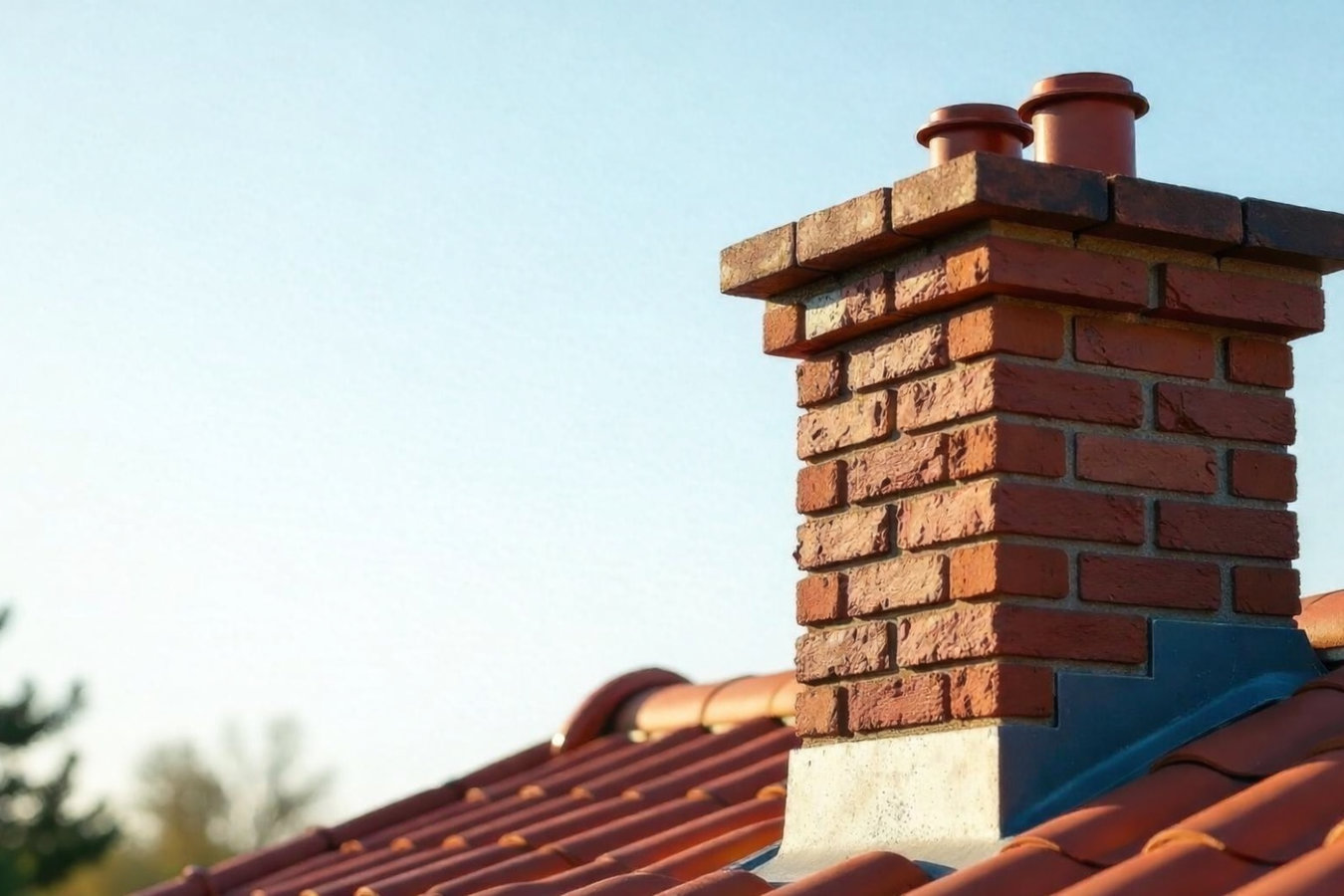
Apple Valley Masonry & Concrete serves Big Bear Lake, CA as a masonry contractor specializing in chimney repair, fireplace work, and concrete restoration for mountain cabins and vacation homes. We have worked across the High Desert and mountain communities since 2017, and we know what nearly 7,000 feet of elevation and 59 inches of annual snow do to masonry that contractors based in the valley have never had to think about.
Big Bear Lake chimneys go through more punishment in a single winter than most California chimneys see in a decade. Snow loads on the crown, freeze-thaw cycling in every mortar joint, and high-altitude UV exposure combine to deteriorate masonry far faster than at lower elevations. Many cabins built in the 1950s and 1960s have never had significant chimney work, and after 60 winters the mortar is often crumbled well past what a cap and sealant will fix. Chimney repair at this elevation means rebuilding with materials and mortar mixes rated for the freeze loads and moisture exposure this mountain climate delivers.
A masonry fireplace in a Big Bear Lake cabin is not an aesthetic choice - it is a practical heat source for nights that regularly drop below freezing from November through March, and a cabin that loses power in a snowstorm needs a backup. A fireplace built correctly at this elevation is engineered for the weight, the snow load on the surrounding structure, and the hard freeze conditions that will test every joint every winter.
Freeze-thaw cycling cracks driveways, walkways, and steps in Big Bear Lake every winter, and by spring the damage is visible across the valley. Slabs poured on insufficiently compacted base material or without adequate control joints fail faster than those installed correctly, and at nearly 7,000 feet the cycle that widens those cracks is more aggressive than at lower elevations throughout the region.
Sloped and wooded lots are the norm in Big Bear Lake, and retaining walls manage the grade changes that make driveways, yards, and outbuildings possible on hillside parcels. A wall built here without adequate drainage aggregate, deep footings, and mountain-rated mortar will fail faster than the same wall would at lower elevation - the combination of snowmelt, soil saturation, and freeze pressure is genuinely different at this altitude.
Open mortar joints on any masonry surface in Big Bear Lake are the entry point for moisture that freezes and accelerates deterioration through every winter. Tuckpointing - removing the failed joint material and repacking with fresh mortar - is the right repair for chimneys, block walls, and stone features that have soft or crumbling joints but are otherwise structurally sound. It is far less expensive than a full rebuild and stops the freeze damage before it reaches that point.
Stone masonry fits the Big Bear Lake aesthetic naturally - entry features, fire pits, chimney facings, and garden walls in local stone look right in a mountain setting in a way that concrete block simply does not. Stone features here need to be set with mortar and bedding methods that accommodate the movement caused by hard freeze cycles, or they begin to separate as seasons pass and the mountain does what mountains do.
Big Bear Lake sits at 6,752 feet above sea level, and that elevation puts masonry in an entirely different operating environment than the Inland Empire or High Desert communities to the west. The city averages around 59 inches of snow per year, with overnight temperatures dropping below freezing from November through March in a typical year. The freeze-thaw cycle at nearly 7,000 feet is more aggressive, more frequent, and more damaging than the same cycle at lower elevations - water works into every open mortar joint or surface crack, freezes and expands overnight, and widens the gap. After enough winters of that, the damage compounds faster than most part-time cabin owners realize because they are not present to watch it happen. A large share of homes in Big Bear Lake are vacation properties or second homes, which means deferred maintenance accumulates between visits in a way it would not for a full-time resident checking on the property every week.
The housing stock itself creates additional context. Most Big Bear cabins are wood-frame construction built between the 1940s and 1980s, which means the fireplaces, chimneys, and any masonry features on these properties are getting old - often old enough that original mortar has softened, chimney crowns have cracked, and block walls have shifted. Heavy snow loads during big winters stress roofing and chimney structures in ways that flatland homes never experience. Add the high-altitude UV exposure that degrades exterior sealants and mortar surfaces faster than expected, and the maintenance timeline on Big Bear masonry is shorter than most owners plan for. Working with a contractor who understands mountain conditions - not just one who is willing to drive up the hill - makes a real difference in the quality and durability of the work.
Our crew works throughout the Big Bear Valley regularly, and we understand the local conditions that affect masonry work here. Building permits for Big Bear Lake are handled through the City of Big Bear Lake Building Department - Big Bear Lake is an incorporated city with its own permit office, separate from the San Bernardino County process that covers unincorporated areas in the region. We coordinate with the city on permit requirements for structural masonry projects and are familiar with the local process. Reaching the area requires State Route 18 from the west or State Route 38 from the south, and both mountain roads can close or require chains during heavy snowstorms, so we build scheduling flexibility into mountain projects rather than committing to a fixed date during storm-prone months.
Big Bear Lake itself - the reservoir - is the defining landmark the whole valley is built around, and most residents describe their location relative to the lake, the ski areas at Big Bear Mountain Resort, or the main commercial strip along Village Drive. The Big Bear Discovery Center on the north shore, operated by the San Bernardino National Forest, is a well-known landmark at the east end of the lake. Properties spread from the lakefront south shore up through the wooded neighborhoods behind it, with older cabins concentrated in the flatter sections and newer or renovated homes more common closer to the water.
We also serve Loma Linda and Redlands in the Inland Empire, so homeowners with properties in both the mountain and valley areas can work with one contractor for both locations.
Reach us by phone or through the online estimate form and describe what you are seeing - crumbling chimney mortar, cracked concrete, a fireplace that has not been used in years. We reply within one business day and schedule a visit to your Big Bear Lake property at a time that works for you.
We come to your property, inspect the full scope of the work, and give you a clear written estimate before anything starts. The estimate is free, and we walk you through what we found and what we recommend - including cost - so you can make an informed decision with no pressure to proceed.
Once you approve the estimate, we schedule the job and plan around Big Bear conditions - road access, weather windows, and mortar cure temperatures. Masonry work in cold mountain weather requires timing that valley contractors do not have to think about, and we build that into every project schedule.
When the job is finished, we clean up the site completely and walk through the work with you before we leave. If you are not present at the property during the project - common for vacation cabin owners - we document the finished work with photos and go over everything when you return or by phone.
We serve Big Bear Lake and the surrounding mountain communities. Free written estimates, no obligation, and we reply within one business day.
(442) 220-8629Big Bear Lake is a small city in the San Bernardino Mountains of San Bernardino County, sitting at approximately 6,752 feet above sea level. The city proper has around 5,000 to 6,000 year-round residents, but the broader Big Bear Valley - including the neighboring community of Big Bear City to the east - brings the full-time population closer to 12,000 to 15,000. The valley draws millions of visitors each year for skiing, snowboarding, hiking, and lake recreation. As a result, a large share of homes in the area are vacation cabins or second homes - properties that sit empty for weeks or months at a time while their owners live in Los Angeles or the Inland Empire. According to the Big Bear Lake Wikipedia article, the dominant housing type is the wood-frame mountain cabin or cottage, many built during the postwar era of the 1940s through 1960s when the area became a popular Southern California weekend retreat.
The reservoir that gives the city its name stretches about seven miles across the center of the valley and is visible from most of the surrounding neighborhoods. The commercial center runs along Village Drive near the south shore, with residential streets spreading north and west into wooded hillside lots. Snow Summit and Bear Mountain - operated together as Big Bear Mountain Resort - are the biggest draw for winter visitors and the reason most people in Southern California know the Big Bear name. Properties near the ski areas see the heaviest seasonal use from part-time cabin owners. We also work throughout Wrightwood, another mountain community with similar masonry challenges, and serve clients across both areas from our Apple Valley base.
Build strong retaining walls that control erosion and support your landscape.
Learn MoreRenew aging masonry surfaces to their original strength and appearance.
Learn MoreConstruct solid, long-lasting concrete block walls for any application.
Learn MoreInstall reliable block wall foundations that support your structure for decades.
Learn MoreDesign and build a custom outdoor kitchen for year-round entertaining.
Learn MoreCall us or submit an estimate request - we reply within one business day and serve Big Bear Lake and the full Big Bear Valley.