Serving Apple Valley, CA and surrounding areas. (442) 220-8629
Crumbling or recessed mortar joints let water into your walls. We remove the damaged material and repack it with mortar matched to your masonry so the fix actually holds.
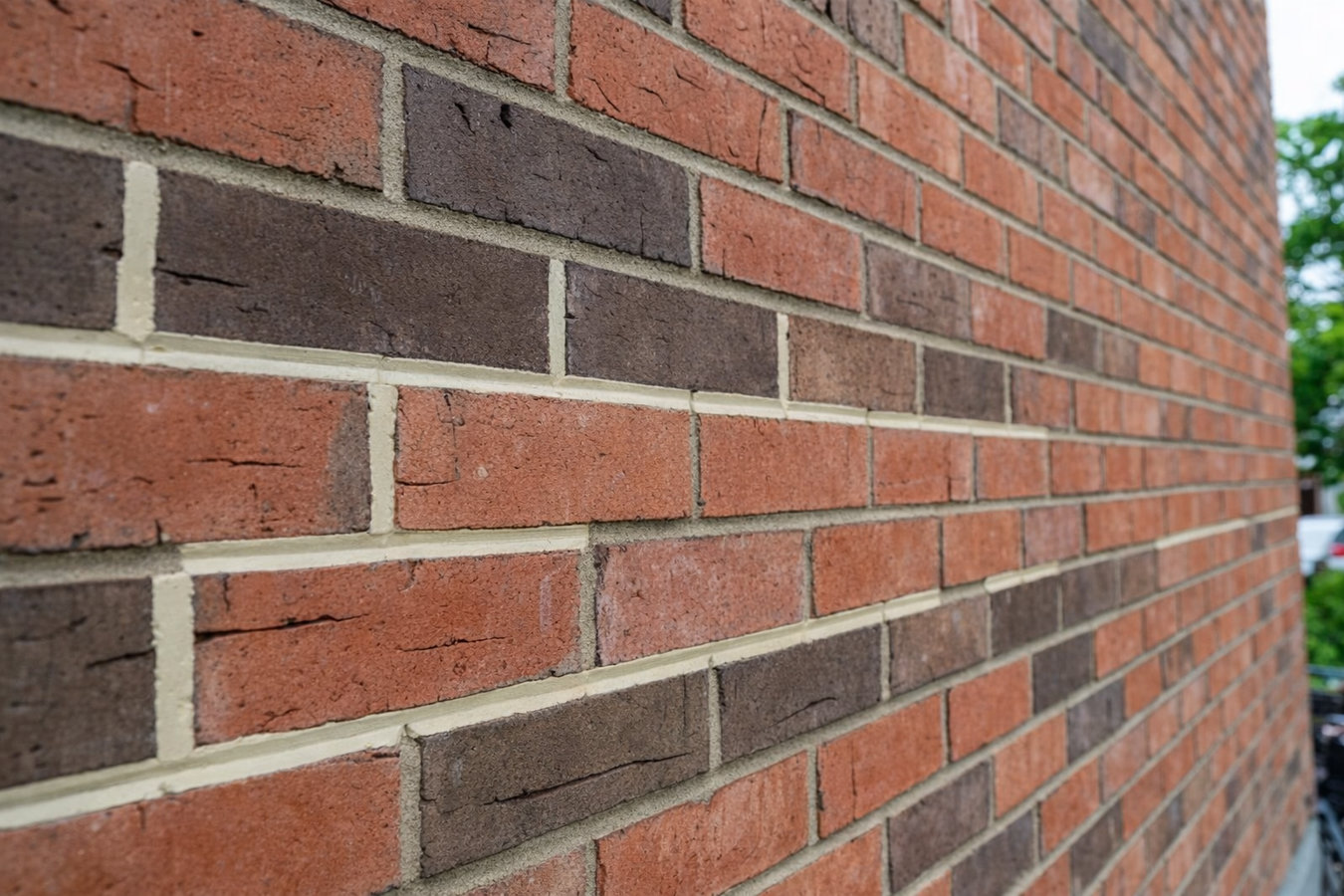
Tuckpointing in Apple Valley involves removing old, crumbling mortar from the joints between bricks or blocks and repacking those joints with fresh mortar matched to your wall, most jobs take one to four days depending on the size of the surface and how much material needs replacing.
For most homeowners here, the issue shows up gradually. The mortar looks a little rough, then a little recessed, and eventually it starts to crumble. By then, water has usually found its way in. Apple Valley's freeze-thaw winters and summer temperatures that regularly top 100 degrees accelerate that process faster than homeowners expect.
Tuckpointing is closely related to brick repair - if the mortar has failed in multiple areas or individual bricks are also damaged, both services are often done together in a single visit.
That white chalky residue - sometimes called efflorescence - appears when water moves through the wall and carries minerals to the surface. In Apple Valley, it commonly shows up after winter rain events when freeze-thaw cycles have opened small cracks in the mortar. It is a clear sign water is getting in, and the mortar joints are the most likely entry point.
Run your finger along a mortar joint on your exterior wall. If the mortar feels soft, powdery, or crumbles away easily, it is past due for replacement. Healthy mortar should feel hard and sit roughly flush with the brick face - if it is visibly recessed or you can dig into it with a key, it is no longer doing its job.
Apple Valley's winter freeze-thaw pattern means cracks that were barely visible in fall can open up noticeably by March. If you are seeing new cracks in your mortar joints - especially on north-facing or windward sides of your home - seasonal stress has pushed the mortar past its limit and repairs should not wait another cycle.
If you have a brick chimney or block exterior wall and you are seeing damp spots, staining, or peeling paint on the interior side, water is getting through the masonry. Failing mortar joints are one of the most common causes. This is the point where waiting starts to get expensive - water inside a wall damages insulation, framing, and drywall.
Our tuckpointing work covers brick walls, concrete block walls, chimneys, retaining walls, and any other masonry surface where the mortar joints have started to fail. We start by grinding or chiseling out the damaged mortar to the correct depth - typically half to three-quarters of an inch - before applying fresh material. If you also have individual bricks that are cracked or spalled, we can handle that as part of the same visit. For chimneys, we often pair this work with a full inspection - which connects naturally to our brick pointing service for detailed joint finishing.
Color and hardness matching is a priority on every job. Mortar that is too hard for your existing bricks will cause the bricks to crack over time - which is a far more expensive problem to fix. We assess the hardness and color of your existing mortar before we mix anything. For homeowners in Apple Valley's many concrete block neighborhoods, we calibrate the mix specifically for block rather than clay brick.
Suited for homes where the mortar is failing across a large section of a brick or block facade.
Suited for chimneys showing crumbling joints, efflorescence, or mortar missing at the crown.
Suited for targeted areas where damage is isolated to one or two sections rather than the whole wall.
Suited for Apple Valley homes with CMU block construction - a common local building method.
Apple Valley sits at roughly 2,900 feet in the Mojave Desert, and that combination - intense summer heat above 100 degrees, low humidity often below 20 percent, and winter nights that drop below freezing - is genuinely hard on mortar joints. The heat dries out mortar and causes it to shrink and crack. Then when winter rain gets into those cracks and freezes overnight, the cracks widen. By spring, what looked like a surface issue in October can be an open joint that is letting water into the wall. Homeowners in Victorville and across the High Desert face the same pattern.
A large share of Apple Valley's housing stock was built during the 1980s and 1990s using concrete block construction. Those walls are now reaching the age where mortar joints commonly fail, even on homes where the original work was done well. The desert climate simply shortens the lifespan of mortar compared to milder regions. Homeowners in Hesperia deal with the same age-related mortar issues because of the shared climate and similar building era. The key detail for Apple Valley homes is that the mortar on a block wall needs to be handled differently than brick - and a contractor who knows the local housing stock understands that from the first visit.
The National Park Service Preservation Briefs on masonry repointing are widely used in the trade as a reference for best practice mortar selection and application - including guidance on matching mortar hardness to existing masonry, which is critical in high-temperature climates.
Reach out by phone or the contact form and we will respond within one business day. We will ask a few quick questions about your masonry type and the size of the area, then schedule a time to come see it in person.
We inspect the mortar joints up close across the full surface - not just the spots you pointed out - because failing mortar often spreads beyond the visible damage. You will receive a clear written estimate explaining what we found and what we plan to do.
The crew grinds out the old mortar to the correct depth - typically half to three-quarters of an inch. This is the noisiest part of the job, but it is essential. New mortar packed on top of failing material will not bond and will fail again quickly.
We mix fresh mortar matched to your wall's color and hardness, apply it, and tool the joints to match the original profile. In Apple Valley's dry climate, we manage the cure with light misting to prevent the mortar from drying too fast - a step that makes all the difference in how long the work lasts.
We respond within one business day. Written estimates, no pressure.
(442) 220-8629Apple Valley's extreme heat and low humidity can cause fresh mortar to cure too fast and fail within a year if the process is not managed carefully. We adjust our mix and curing approach specifically for the High Desert climate, so the work holds up through the heat cycles instead of flaking off the following summer.
If the new mortar is harder than your existing brick, the stress from temperature swings cracks the bricks instead of the mortar - a much more expensive problem. We test the mortar hardness against your specific masonry before we start, which is the single most important step most homeowners never think to ask about.
We have been working on homes across the Victor Valley since 2017 and we know the local housing stock well. A large share of Apple Valley homes use concrete block construction, and we work with both block and clay brick - so whatever your walls are made of, we have done it before.
You will see a detailed written estimate before any work starts, and we will walk you through the finished joints when we are done. The Brick Industry Association recommends homeowners verify mortar hardness compatibility with their contractor - we make that conversation easy.
Together, these details add up to tuckpointing that holds up in this specific climate rather than needing to be redone in a few years. If you want to see the difference for yourself, call us and we will come take a look.
When crumbling mortar has also led to cracked or spalled bricks, we repair and replace the damaged bricks alongside the repointing work.
Learn MorePrecision finishing of individual mortar joints for chimneys, decorative walls, and areas that need a clean, tight profile.
Learn MoreCall (442) 220-8629 or submit a form - we respond within one business day and provide a written estimate at no charge.